Spelt Flour: How to Bake With It Successfully
Last Updated on February 12, 2026 by Gabby Hatten
Spelt flour often gets described as a gentler alternative to modern wheat, and while that can be true, it comes with an important caveat. Spelt behaves differently than both modern wheat and other ancient grains like einkorn. Understanding those differences is the key to baking with spelt successfully instead of feeling frustrated by sticky dough or loaves that overproof too quickly.
Spelt is a beautiful grain once you learn its rhythm. It rewards gentle handling, attention to fermentation, and realistic expectations for structure.
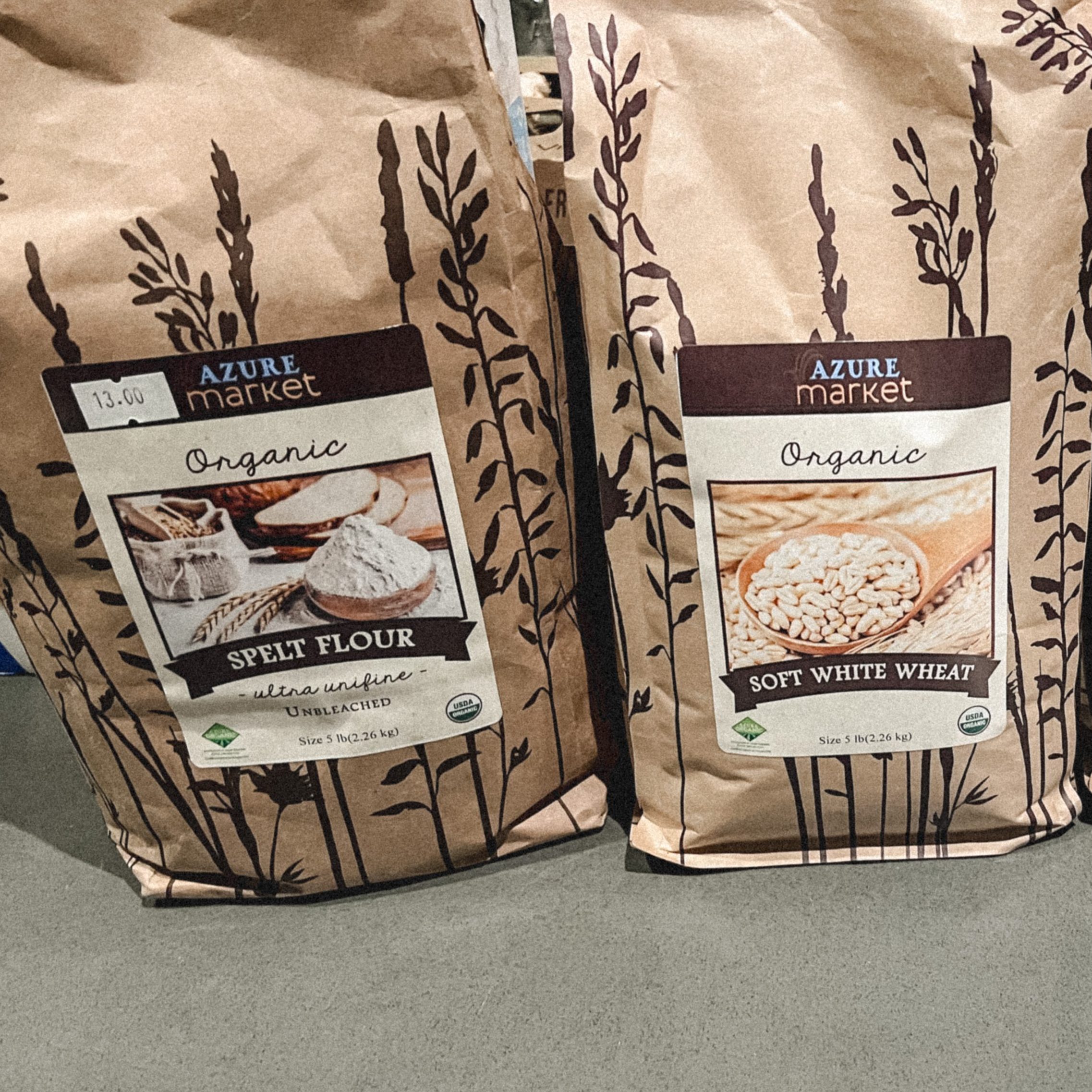
What Is Spelt?
Spelt is an ancient wheat variety that is closely related to modern wheat, but it has not been hybridized to the same extent. Because of this, spelt has a unique gluten structure that sits somewhere between einkorn and modern wheat.
Spelt has:
- Moderate protein content
- Gluten that is extensible but less elastic
- A mild, slightly nutty flavor
It is not weak, but it does not tolerate rough handling or long fermentation the way modern wheat does.
How Spelt Dough Behaves
Spelt dough often feels very workable at first, which can be misleading.
Common characteristics of spelt dough:
- Soft and stretchy early on
- Becomes slack quickly if overmixed
- Ferments faster than modern wheat
- Overproofs easily
Because spelt gluten stretches easily but does not snap back well, it can lose structure if pushed too far.
The Taste and Texture of Spelt
Spelt has a flavor many people describe as:
- Mild
- Slightly sweet
- Nutty without being heavy
The crumb tends to be soft and tender rather than chewy. Spelt baked goods often feel lighter and more delicate than those made with modern whole wheat.
Best Uses for Spelt Flour
Spelt is incredibly versatile when used intentionally.
Great uses for spelt include:
- Pancakes and waffles
- Muffins and quick breads
- Dinner rolls
- Flatbreads
- Sourdough blends
- Cookies and biscuits
Spelt works well in bread, but it shines most when blended or when fermentation is carefully managed.
Using Spelt in Sourdough
Spelt can absolutely be used in sourdough, but it benefits from a gentler approach.
Tips for sourdough with spelt:
- Shorten bulk fermentation
- Use fewer stretch and folds
- Avoid aggressive kneading
- Shape earlier than you would with modern wheat
Many bakers find spelt works best as part of a blend with hard white or hard red wheat. This provides structure while still allowing spelt’s flavor to shine.
Hydration Tips for Spelt Flour
Spelt absorbs water differently than modern wheat.
Key hydration tips:
- Spelt often needs slightly less water
- Dough can feel wetter than expected
- Too much hydration can cause spreading
- Resting dough helps, but long rests can weaken structure
Start with lower hydration and adjust gradually as you learn how your spelt flour behaves.
Common Mistakes When Baking With Spelt
Most issues with spelt come from treating it like modern wheat.
Avoid:
- Long fermentation times
- Heavy kneading
- High hydration without structure
- Overproofing
Spelt rewards restraint and attention.
Encouragement for Baking With Spelt
Spelt can feel unforgiving at first, especially if you are used to modern wheat dough that can handle a lot of manipulation. That does not mean you are doing anything wrong.
Once you learn to work with spelt’s natural qualities instead of pushing against them, it becomes a reliable and enjoyable grain. Many bakers come to love spelt for its flavor, digestibility, and versatility.
What to Learn Next
To continue exploring ancient grains, these posts pair well with spelt:
- Einkorn flour and how it differs from spelt
- Kamut and emmer for fresh milling
- Best grains for sourdough bread
- Why fresh milled flour needs more hydration
- Blending grains for better texture
Spelt offers a beautiful bridge between modern wheat and ancient grains. With gentle handling and thoughtful fermentation, it can become a staple in your fresh-milled kitchen.
Author Profile

- Hello there, I'm Gabby! I'm a mom of four, married to my wonderful husband Marco, and I have a deep passion for simple living, vintage homes, and cooking everything from scratch! Although I grew up in Las Vegas, my husband's military service brought us to the east coast, where we have now made coastal North Carolina our home. While I didn't grow up on a farm, I have always been fascinated by that lifestyle and have dedicated my adult life to learning and embracing those skills, which I am excited to share with all of you!
Latest entries
 ☦️ Liturgical LivingNovember 3, 2026Living Liturgically Without Overwhelm: Finding a Gentle Rhythm in Orthodox Family Life
- ☦️ Liturgical LivingNovember 3, 2026November Orthodox Morning Board: 30 Days of Saints, Vocabulary & History
- FallOctober 20, 2026From-Scratch Pumpkin Pie with Fresh Milled Flour Crust
- Fresh-Milled FlourOctober 20, 2026Easy Fresh Milled Flour Pie Crust (Food Processor Method)


