Sourdough for Dummies | Glossary included
Last Updated on July 14, 2025 by Gabby Hatten
Sourdough bread is a delicious, tangy bread that has been enjoyed for centuries. Making sourdough bread from scratch may seem intimidating, but with the right tools and knowledge, anyone can make a delicious loaf of sourdough bread. In this guide, we will cover everything you need to know about sourdough, from creating a sourdough starter to storing it when not in use. We will also provide a glossary of sourdough terms and helpful tools, as well as some delicious sourdough recipes to get you started. Whether you are a seasoned baker or a beginner, this guide will provide you with all the information you need to make your own delicious sourdough bread.

What is sourdough starter?
It’s important to start with the basics, so let’s break down what a starter is. Sourdough starter is a mixture of flour and water that has been fermented by wild yeasts and bacteria from your environment. This mixture is used as a natural leavening agent in bread and other baked goods, replacing the need for commercial yeast. The wild yeasts and bacteria in the starter eat the sugars in the flour and produce carbon dioxide, which makes the bread rise. Sourdough starter is the key ingredient in making sourdough bread (and other goods), and it is what gives the bread its unique and tangy flavor. Don’t let anyone scare you, creating your own sourdough starter is simple, and it is a great way to knock off one less thing from the grocery store.
How do I make a sourdough starter?
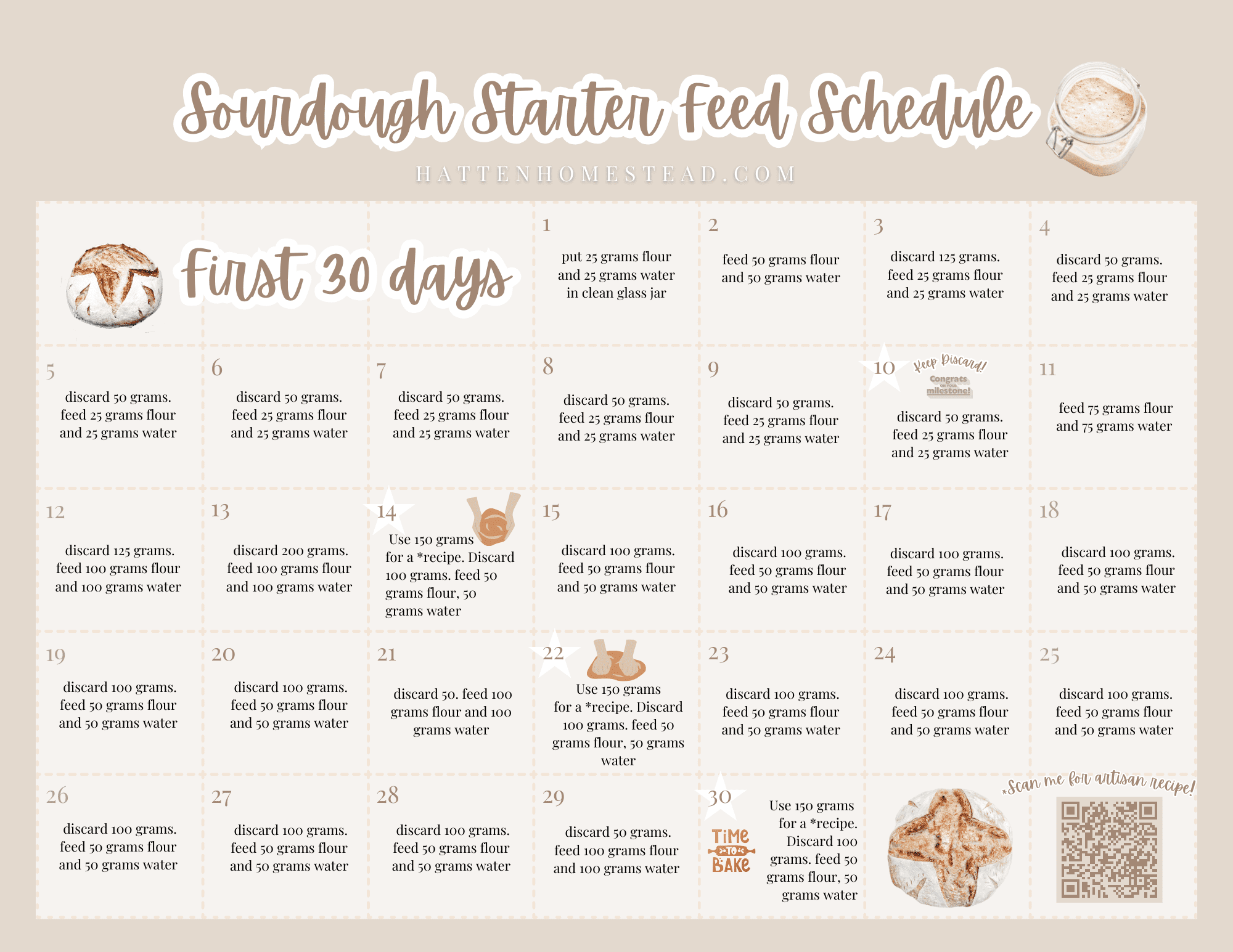
All you need is a clean glass jar, unbleached flour, water, something to stir with, and a way to measure (scale is recommended). Now, let’s make it!
Figure out what time of day is going to be easiest for you to do this. If mornings work best, start it in the morning. If evenings work best, do this in the evening time. This step by step schedule is based off weighted measurements. If you do not have a scale, you can check out this sourdough starter recipe using cups.
How do I store it?
The answer to this question largely depends on how often you plan to bake with it. If you’re not feeding daily you can store it in the fridge. If storing long term in fridge, it’s best practice to feed weekly, but it’s not a must! I recently revived one that had been in my fridge for 8 months, untouched.
Glossary
While I may be missing some, I did my best to think of all the things I didn’t know when I first started. Don’t see something that you think should be here? Leave a comment and I will happily add it to the list.
- Autolyse: A rest period during the bread-making process where the flour and water are mixed together and allowed to rest before adding the sourdough starter and other ingredients.
- Banneton: A basket made of cane or other natural materials used for proofing bread dough.
- Batard: A type of bread loaf that is shaped like an oval or football.
- Bulk rise: The first rise of the dough after all ingredients have been mixed together.
- Discard: sourdough starter that is simply not active. you store it in the fridge and can use for recipes. It can be turned back into active starter if you take out of fridge and feed it.
- Fermentation: The process by which yeast and bacteria in the sourdough starter break down the sugars in the dough, producing carbon dioxide gas and alcohol.
- Levain: A French term for sourdough starter.
- Oven spring: The final rise of the dough that occurs in the oven during baking.
- Scoring: The process of making shallow cuts in the surface of the bread dough before baking. This allows the bread to expand and rise properly in the oven.
- Sourdough: bread made from a natural leavening agent known as a sourdough starter.
- Stretch and fold: A technique used during the bulk rise of the dough to develop gluten and strengthen the dough.
- Tartine: A type of bread that originated in San Francisco and is known for its thick, chewy crust and open crumb structure.
Abbreviations and acronyms:
- SD: Sourdough
- S+F: Stretch and Fold
- BF: Bulk Fermentation
- RT: Room Temperature
- WW: Whole Wheat
- AP: All Purpose
- BF: Bread Flour
- HYDR: Hydration (the amount of water in relation to flour)
- TFW: Total Flour Weight
- TFW: Total Formula Weight
- GF: Gluten Free
Helpful Sourdough Utensils
- Banneton + bench scraper, scoring tools, etc
- Dutch Oven
- Silicone bread sling
- Reusable bread bags
- Large glass jars
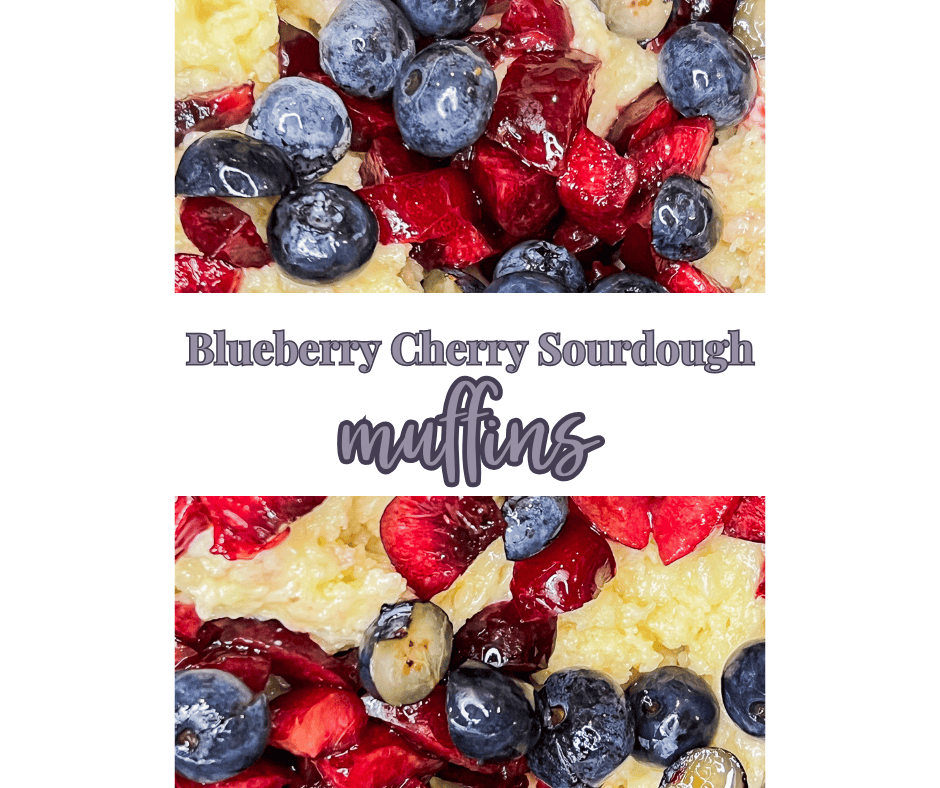
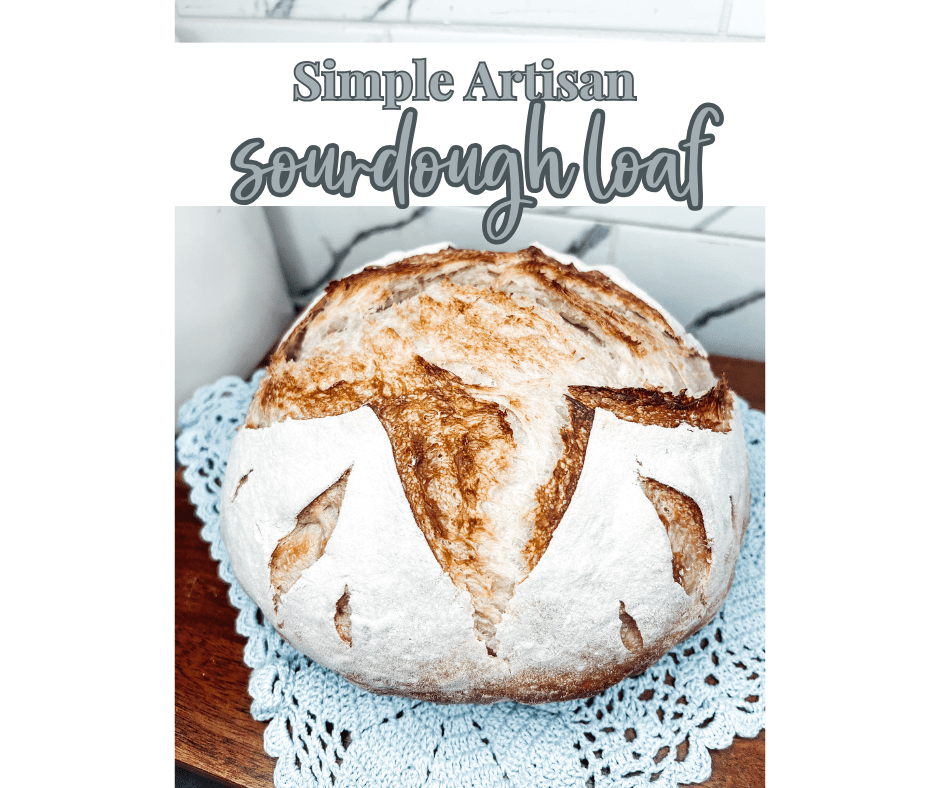
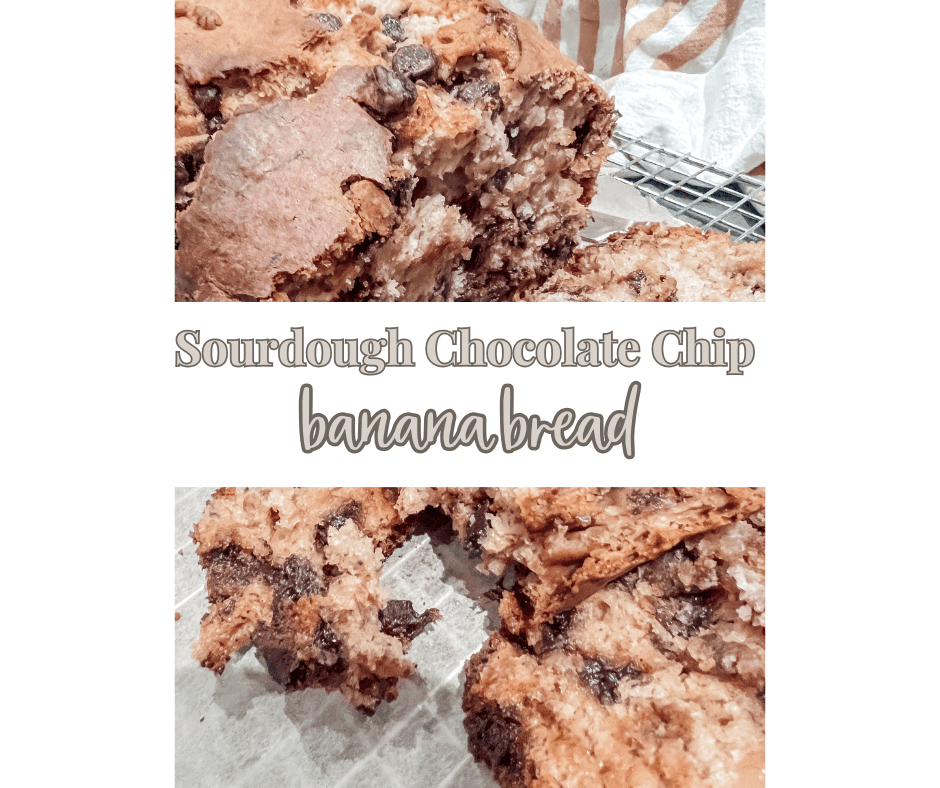
Sourdough Recipes
Author Profile

- Hello there, I'm Gabby! I'm a mom of four, married to my wonderful husband Marco, and I have a deep passion for simple living, vintage homes, and cooking everything from scratch! Although I grew up in Las Vegas, my husband's military service brought us to the east coast, where we have now made coastal North Carolina our home. While I didn't grow up on a farm, I have always been fascinated by that lifestyle and have dedicated my adult life to learning and embracing those skills, which I am excited to share with all of you!
Latest entries
 ☦️ Liturgical LivingNovember 3, 2026Living Liturgically Without Overwhelm: Finding a Gentle Rhythm in Orthodox Family Life
- ☦️ Liturgical LivingNovember 3, 2026November Orthodox Morning Board: 30 Days of Saints, Vocabulary & History
- FallOctober 20, 2026From-Scratch Pumpkin Pie with Fresh Milled Flour Crust
- Fresh-Milled FlourOctober 20, 2026Easy Fresh Milled Flour Pie Crust (Food Processor Method)





Thank you!!! 🫶🏻