In the Garden: February Edition {Zone 8}
Last Updated on February 21, 2026 by Gabby Hatten
February in Zone 8 feels like the garden is waking up from a long stretch of quiet. The days are slowly lengthening, the soil begins to soften, and the first hints of spring appear… even while frost is still a real possibility.
After using January to clear beds and begin rebuilding the soil, February becomes the month of preparation. Compost goes down, seeds are started indoors, and cool-season crops can be planted in earnest. It’s a hopeful time, full of small tasks that lay the groundwork for the abundance of spring and summer.
If your garden is in a rebuilding season like ours, don’t worry about doing everything at once. Focus on steady progress, one bed at a time.

Checking Garden Beds After Winter
Winter storms, heavy rain, and freezing temperatures can shift soil, compact beds, and thin out mulch layers.
Take time this month to walk your garden and observe:
- Has mulch blown away or broken down?
- Are weeds beginning to return?
- Is water pooling anywhere after rain?
- Is the soil workable, or still too wet?
If the surface has formed a crust, gently loosen just the top layer without disturbing deeper soil structure. Add additional mulch where needed to protect soil life and retain moisture.
Adding Compost & Feeding the Soil
February is prime time for adding compost in Zone 8.
Benefits of adding compost now:
- Improves soil structure before heavy spring planting
- Encourages beneficial microbes to become active
- Provides slow-release nutrients
- Helps retain moisture as temperatures rise
Think of February as feeding the soil so the soil can feed your plants later.
What to Plant in February (Zone 8)
This is when the planting window really opens for cool-season crops.
Direct Sow Outdoors
- Carrots
- Radishes
- Beets
- Spinach
- Lettuce
- Arugula
- Kale
- Turnips
- Peas
These crops tolerate cold temperatures and often grow best before the heat arrives.
Transplants You Can Set Out
- Cabbage
- Broccoli
- Cauliflower
- Onion sets or seedlings
If hard freezes are forecast, protect young plants with mulch or frost cloth.
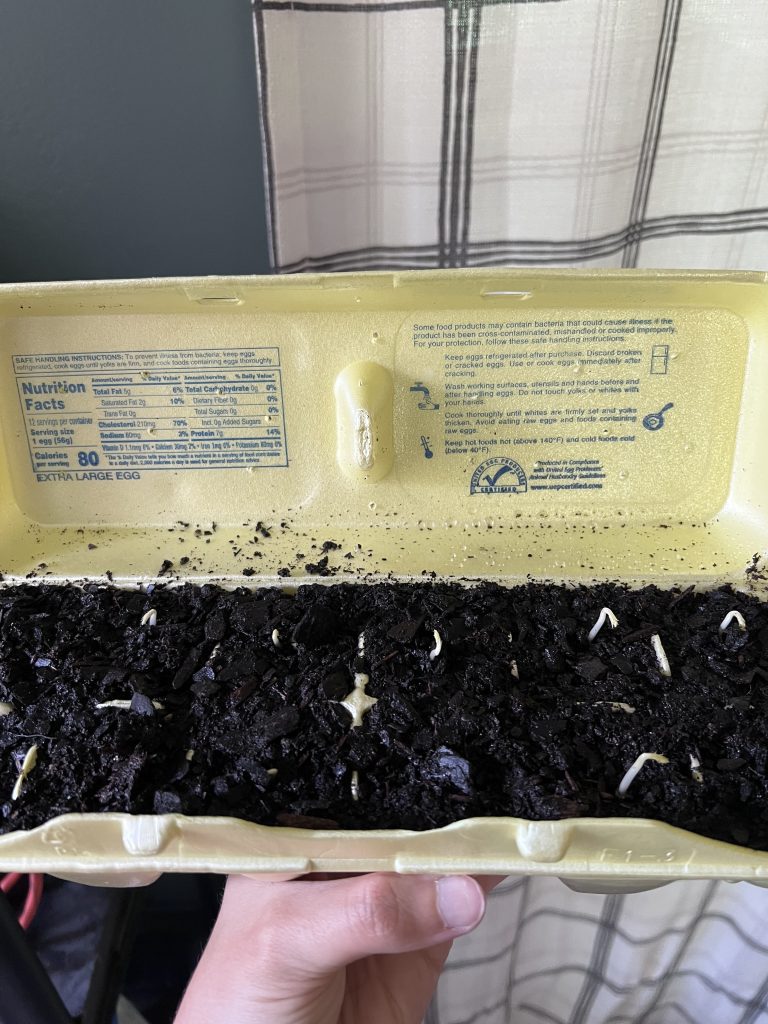
Starting Warm-Season Seeds Indoors
February is tomato-and-pepper month indoors in Zone 8 — one of the most exciting parts of the gardening year.
Start seeds now for:
- Tomatoes
- Peppers
- Eggplant
- Some herbs
Use a bright window or grow lights, keep soil consistently moist (not soggy), and plan to transplant outdoors after your last frost date.
Starting seeds indoors allows you to grow stronger, healthier plants and a wider variety than store-bought starts.
Bare-Root Trees, Berries, and Perennials
If you’ve been dreaming about adding long-term food plants, February is an excellent time to plant bare-root options while they are still dormant.
Consider:
- Fruit trees
- Berry bushes
- Asparagus crowns
- Rhubarb
- Roses
Even planting just one perennial crop each year can transform your garden over time.
Early Garden Maintenance & Prep
Small tasks now prevent big headaches later.
February is a great time to:
- Clean and organize tools
- Repair raised beds or fencing
- Install trellises and supports before plants grow
- Clean containers and seed trays
- Remove lingering debris that may harbor pests
Working ahead while the garden is quiet makes spring much more manageable.
Watch the Weather — False Spring Is Real
Warm days can be misleading (it’s literally 77 degrees outside as I write this). In Zone 8, late frosts are common well into spring.
Avoid planting warm-season crops outdoors too early. Keep frost cloth or old sheets ready for sudden temperature drops, especially if you have already planted cool-season vegetables.
Patience now prevents major setbacks later.
February Garden Checklist (Zone 8)
- Inspect beds and replenish mulch
- Add compost or soil amendments
- Direct sow cool-season crops
- Plant brassica transplants and onions
- Start tomatoes and peppers indoors
- Install supports and repair garden structures
- Plant bare-root trees and perennials
- Prepare frost protection for late freezes
February gardening carries a quiet anticipation. The work is still mostly unseen — seeds tucked into soil, compost breaking down, roots forming below the surface — but the promise of new growth is unmistakable.
After seasons when the garden had to wait, returning to this rhythm feels especially meaningful. Each task completed now is an investment in the months ahead, a reminder that growth often begins long before we can see it.
Spring is coming. And with a little steady care, the garden will be ready to meet it.
Author Profile

- Hello there, I'm Gabby! I'm a mom of four, married to my wonderful husband Marco, and I have a deep passion for simple living, vintage homes, and cooking everything from scratch! Although I grew up in Las Vegas, my husband's military service brought us to the east coast, where we have now made coastal North Carolina our home. While I didn't grow up on a farm, I have always been fascinated by that lifestyle and have dedicated my adult life to learning and embracing those skills, which I am excited to share with all of you!
Latest entries
 ☦️ Liturgical LivingNovember 3, 2026Living Liturgically Without Overwhelm: Finding a Gentle Rhythm in Orthodox Family Life
- ☦️ Liturgical LivingNovember 3, 2026November Orthodox Morning Board: 30 Days of Saints, Vocabulary & History
- FallOctober 20, 2026From-Scratch Pumpkin Pie with Fresh Milled Flour Crust
- Fresh-Milled FlourOctober 20, 2026Easy Fresh Milled Flour Pie Crust (Food Processor Method)